
Medical advancements in reproductive science have transformed the way couples approach parenthood. But with every medical procedure come questions and anxieties. One common concern among women undergoing IUI treatment is about bleeding 15 days after IUI.
Could it mean implantation…? Is it an early period…?

Dr. Usha, an acclaimed Gynecologist in Jayanagar, Bangalore, explains,
“The days following IUI can be filled with hope, nervous anticipation, and sometimes, confusion. When bleeding occurs around two weeks post-procedure, it may bring about a lot of questions in a woman’s mind. The key is not to panic but to seek timely medical advice for clarity and reassurance.”
So, is it normal to have bleeding 15 days after an IUI procedure?
Dr. Usha says,
“Not every episode of bleeding after IUI is alarming. The body goes through multiple hormonal changes during fertility treatments, and minor spotting or bleeding can be part of this journey. However, when bleeding is heavier or persists, it warrants evaluation to rule out complications.”
This emotional roller-coaster is natural. Understanding the science behind it can help you feel more in control.
Curious about what could cause bleeding after IUI and whether it’s a sign of success or not? Let’s uncover the possible reasons together.
Causes of Bleeding 15 Days after IUI
If you notice bleeding about two weeks after your IUI procedure, it can understandably cause worry. Let’s go through the possible explanations your doctor might consider:
Implantation bleeding after IUI
When a fertilized egg attaches itself to the uterine wall, it may cause light spotting. It often shows up 6–12 days after the insemination and is usually very light — often just pinkish or brown discharge rather than a full period. Many people take this as an early sign of pregnancy, though it should never be taken as confirmation without doing a proper pregnancy test.
Hormonal Changes and Fertility Medications
Fertility drugs used during the IUI cycle can affect your body’s natural hormone balance. Shifts in progesterone or estrogen may lead to light spotting or mid-cycle bleeding. This kind of bleeding is generally harmless and tends to settle once your hormone levels stabilize. Still, it’s a good idea to mention it to your fertility specialist so they can monitor your response to treatment.
Period Starting After IUI
Mild Cervical Irritation
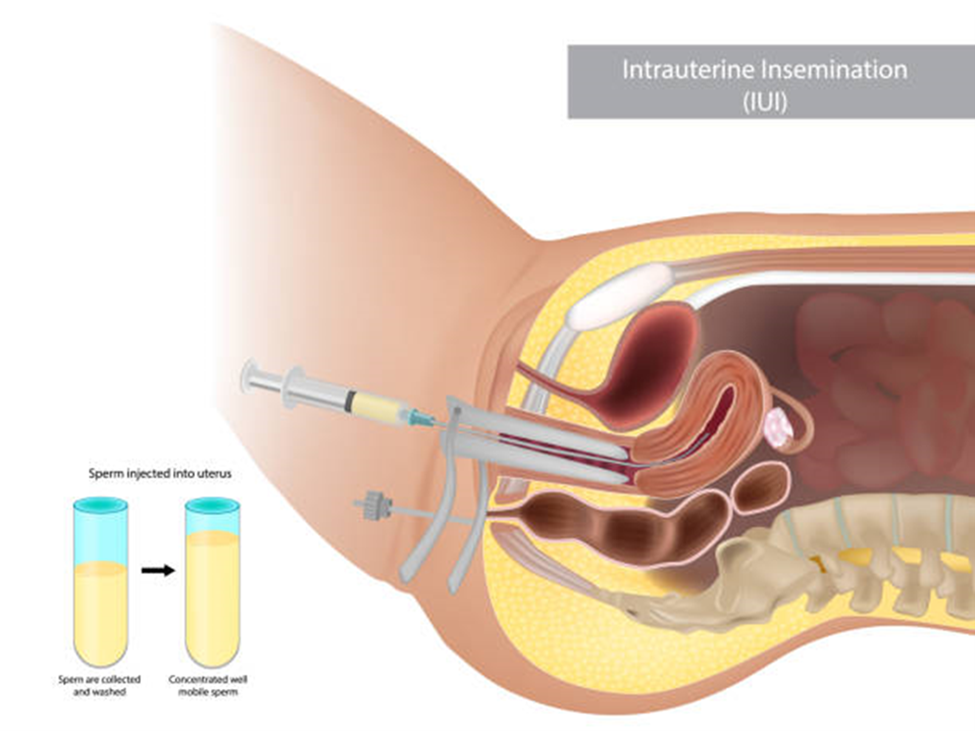
During IUI, a thin catheter is gently inserted through the cervix to place sperm inside the uterus. Even with a careful approach, this can sometimes irritate the delicate cervical tissue, resulting in a small amount of spotting or light bleeding a few days later.
Early Pregnancy Loss or Chemical Pregnancy
Bleeding can occasionally occur if there was a very early miscarriage, that’s when a fertilized egg implants but stops developing soon after. A pregnancy test can help determine if conception initially occurred.
Other Uterine or Hormonal Conditions
In some cases, bleeding after IUI can be linked to conditions such as uterine polyps, fibroids, or issues in the luteal phase of your cycle. These problems can affect implantation or the stability of the uterine lining. Consulting a skilled Laparoscopic Gynaecologist can help identify and manage such issues early, improving your chances of success in future cycles.
Wondering if your bleeding might be a hopeful sign of implantation—or just your period arriving? Let’s decode the difference.
Bleeding 15 Days After IUI – Implantation or Period
Bleeding can be both encouraging and concerning after IUI. The timing, color, and consistency of the bleeding provide important clues.
Here’s how you can distinguish implantation bleeding after IUI from a period after IUI:

Timing
Implantation bleeding typically occurs 6–12 days after ovulation, while menstrual bleeding starts 14–16 days post-IUI.
Flow
Implantation bleeding is light and short-lived, while menstrual bleeding is heavier and lasts longer.
Color
Implantation bleeding is often pink or brown, whereas period blood is bright or deep red.
Accompanying symptoms
Implantation may cause mild cramps or tenderness, whereas a period often brings more intense cramping.
Dr. Usha, a compassionate IVF Doctor in Jayanagar, Bangalore, explains,
“Patients often misinterpret light spotting as the beginning of their period. However, subtle differences—such as the shade and duration—can indicate whether it’s implantation or menstruation. Always confirm with a pregnancy test 14–16 days after IUI for accurate results.”
So, what happens if the bleeding doesn’t stop or becomes unusually heavy? Let’s discuss the next steps for your safety and peace of mind.
Managing Continuous or Heavy Bleeding After IUI
Persistent or heavy bleeding after IUI is not typical and should never be ignored. Here’s what you can do:
- Track the flow and symptoms to help your doctor assess the situation more effectively.
- Avoid self-medication as it can interfere with fertility hormones or early pregnancy – always consult your doctor before taking any medication.
- Get a pregnancy or hormone test to confirm whether the bleeding is related to pregnancy or hormonal imbalance.
- If bleeding is prolonged, your Gynaecologist may recommend an ultrasound to check uterine health or detect complications like fibroids or cysts.
- Ongoing communication with your IVF team ensures that your treatment plan can be adjusted promptly if needed.
Dr. Usha, a highly regarded High-Risk Pregnancy Doctor in Jayanagar, Bangalore, emphasizes,
“Bleeding after IUI doesn’t always mean failure or danger. But when the bleeding is excessive or accompanied by pain, it’s a signal that the body needs attention. Early evaluation ensures timely intervention and safeguards reproductive health.”
Let’s summarize the key takeaways and what you should keep in mind moving forward.
Key Takeaway
Light bleeding 15 days after IUI can stem from several causes — some completely harmless, others that may require a bit of medical attention. The most important step is not to jump to conclusions. Instead, note when the bleeding started, how long it lasts, and what it looks like, then share this information with your fertility doctor. They can guide you on whether you should do a pregnancy test or any follow-up investigations.
Still have questions about bleeding after IUI or what comes next? Let’s answer a few common ones.
Frequently Asked Questions:
1. How long does implantation bleeding after IUI usually last?
Bleeding from implantation normally lasts from 1 to 3 days and is lighter than a period. It’s usually pink or brown and doesn’t require a pad or tampon.
2. Does stress cause bleeding after IUI?
Yes, extreme stress may affect hormonal balance, leading to spotting. For regulating your hormones, you can opt for relaxation techniques such as gentle yoga or meditation.
3. Is it possible to have a positive pregnancy test despite bleeding after IUI?
Absolutely! Some women experience implantation bleeding even when pregnant. Always take a test at least 14 days post-IUI to confirm.
4. When should I see a doctor for bleeding after IUI?
Consult your doctor if bleeding is heavy, painful, or lasts longer than three days. Early intervention prevents complications.
5. How can I prevent bleeding after future IUI procedures?
While not always preventable, maintaining good hormonal balance, following post-procedure instructions, and attending all follow-ups at your IUI treatment center can reduce risks.